
Fountain Valley, CA · Garage Door Service
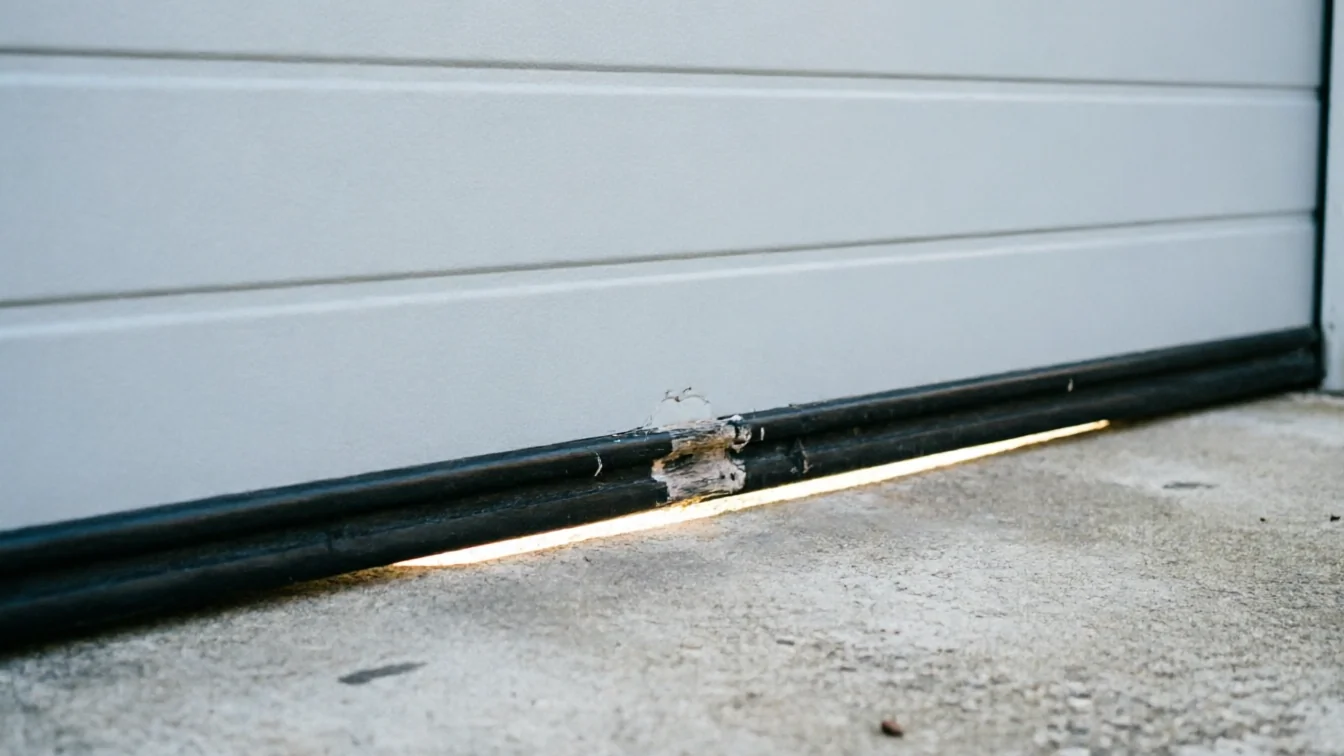
Drafts and Worn Seals on Fountain Valley Garage Doors
Why Fountain Valley's 1960s-70s garage doors let drafts in even in a mild climate, what to check yourself, and the seal mistake that wastes money on these older doors.
- Repairs & new doors
- Springs & openers
- Serving 4 nearby communities
What Local Conditions Do
Fountain Valley sits in a mild temperate band, which means the seals on a garage door here almost never crack from a hard freeze the way they would further inland or up in the mountains. That's the good news. The bad news is that most of the houses on this side of the county went up between 1938 and 1995, with the bulk clustered in the 1960s and 70s and a median build year of 1969. A door that old has been baking in sun for five decades, and UV is what actually kills rubber and vinyl weatherstrip in this climate - not cold. The seal goes brittle, shrinks a little at the corners, and pulls away from the slab just enough to let air and bugs through. You won't see ice damage. You'll see a thin gap at the bottom corner and a draft that shows up on a windy afternoon more than a cold morning. That's the Fountain Valley version of the problem, and it's different from what a seal guide written for a snow climate will tell you to look for.
Checking It Yourself
Walk out to the garage on a breezy day and run your hand along the bottom seal while the door is shut. If you feel air moving at the corners but not the center, that's shrinkage, not a bent track - a cheap fix. Next look at the vertical seals on the jambs, if the door has them; on a lot of these 1960s-70s builds they were never added at all, since the original builders didn't spec them for a climate this mild. Check whether the bottom seal is still flexible or whether it's gone stiff and cracked when you bend it. A flashlight at night, run around the door perimeter from inside, will show you daylight gaps faster than daytime inspection does. Write down where the gaps are before you call anyone - it saves a diagnostic visit.
The Problem
Across the 28 named areas in this stretch - Midway City three miles off, Stanton at seven, Seal Beach at eight, Los Alamitos and Cypress and Rossmoor around nine - most garages are still running the original 1960s-70s track and seal setup nobody touched when they bought the house. The seal channel on a door that age is often a different width than what's sold off the shelf today, so a seal that looks like the right size doesn't always seat right. That mismatch is why a lot of DIY weatherstrip jobs in older Fountain Valley homes end up loose again within a year - the replacement strip was never really gripping the track, it was just wedged in.
The Common Mistake
The mistake we see most is buying a universal seal kit and jamming it into a channel built for a 1969 door without checking the channel width first. It'll look fixed for a few weeks, then it starts walking out of the track the first time the door cycles a few dozen times. The honest limitation here: if the track itself is bent or the channel is worn oval from age, a new seal won't hold no matter how it's installed, and at that point you're looking at a track swap, not a $20 fix. We'd rather tell you that up front than sell you seal after seal that won't stay put.
Frequently asked questions
Why does my garage door let in a draft if Fountain Valley doesn't get hard freezes?
The seal failure here comes from UV exposure, not cold. A lot of houses in this area date to the 1960s and 70s, so the original weatherstrip has had decades of sun on it. It goes brittle and shrinks at the corners, which lets air through even though the material never froze or split from ice.
Can I just buy a universal weatherstrip kit for an older door?
You can, but check the channel width first. Doors built in the 1960s-70s era common to this area often have a different track profile than what current universal kits assume. A strip that doesn't seat fully in the channel will work loose within months, which is the most common complaint we hear after a DIY seal swap.
How do I know if it's the seal or the track that's the real problem?
If the gap is even along the whole bottom edge, it's usually just a worn seal. If it's worse at one corner or the door doesn't sit flush when closed, the track itself may be bent or worn from age, and a new seal won't fix that - you're looking at a track adjustment or replacement instead.
Related garage door services in Fountain Valley
More garage door guides
Book garage door service in Fountain Valley
Call now or request a quote - tell us what the door is doing and where you are.